What the Coating Line Doesn’t Tell You. Read the article
What the Coating Line Doesn’t Tell You. Read the article
Applications
Material properties shape both the product and the process that makes it, yet most are checked too late to act on. Manufacturers pay for that in scrap, slow ramps and late failures. PlasmaSens gives them a direct view of the material while there is still time to act.



A subset of the applications and industries where PlasmaSens has been demonstrated.
Press › to trace connections, ⓘ for details.
Reset selection
PlasmaSens measures electrode coatings, slurries, separators and interface layers across the battery line non-destructively, so drift is caught before cells are built.
PlasmaSens inspects coatings and alloys on flight-critical parts non-destructively, revealing coating thickness, microstructure and defects in a single scan.
PlasmaSens reads the coatings and functional layers in turbines, fuel cells and solar cells non-destructively, where thickness, bonding and uniformity decide life and efficiency.
PlasmaSens characterizes thin films, doped layers and packaging materials non-destructively, without touching the wafer or die.
PlasmaSens verifies coatings on powertrain and EV components non-destructively, reducing the need for cut-and-polish checks.
PlasmaSens characterizes the polymer films, organic layers and thin-film stacks used in haptics, displays and chips non-destructively, from one scan per location.
One platform answers a different question at each stage of a product’s life, from first development to parts returning from service. Today those answers come from separate tools, or from the same overloaded lab.
01 · R&D and product development
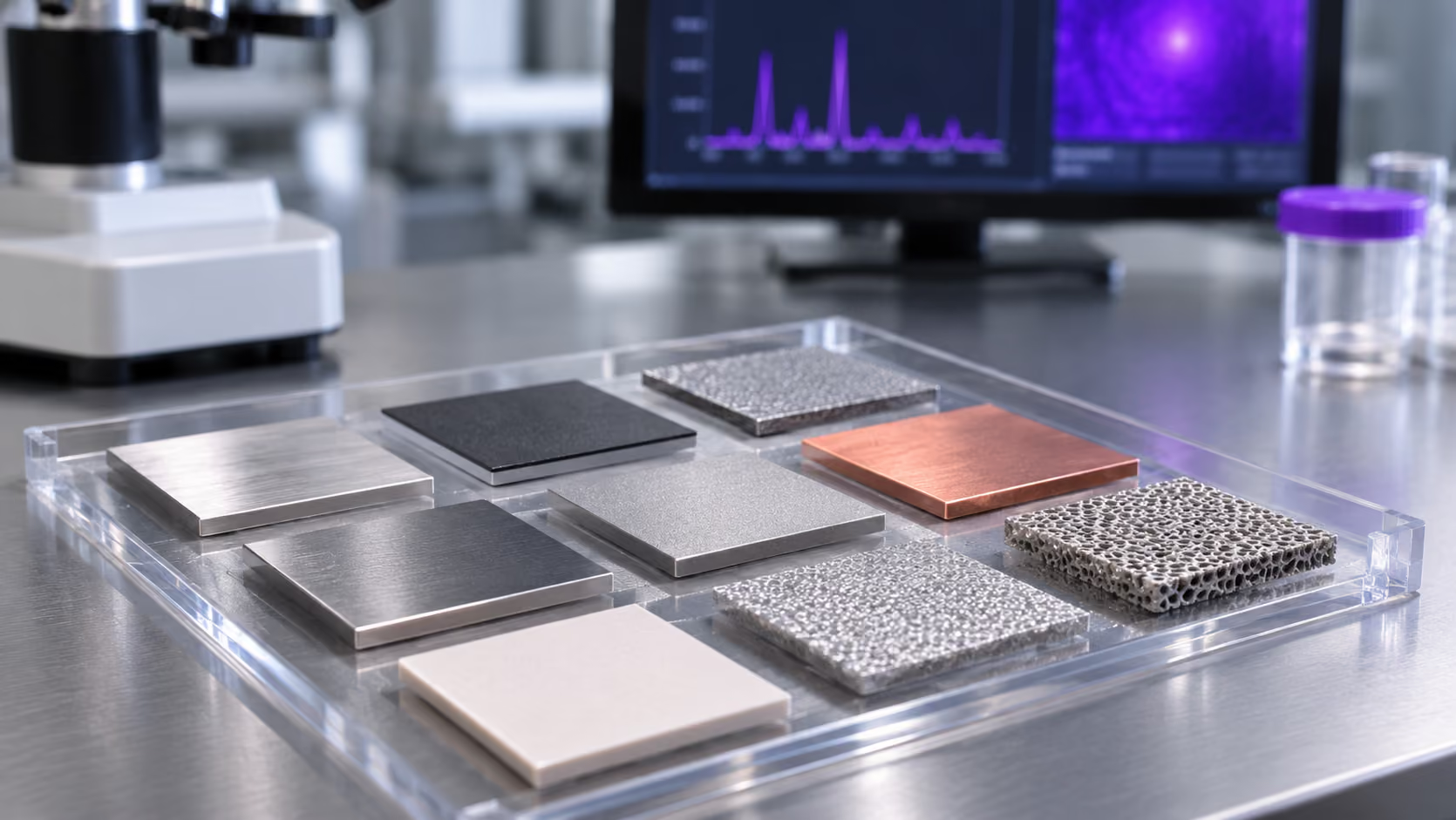
02 · Supplier qualification and incoming inspection

03 · Process and manufacturing engineering
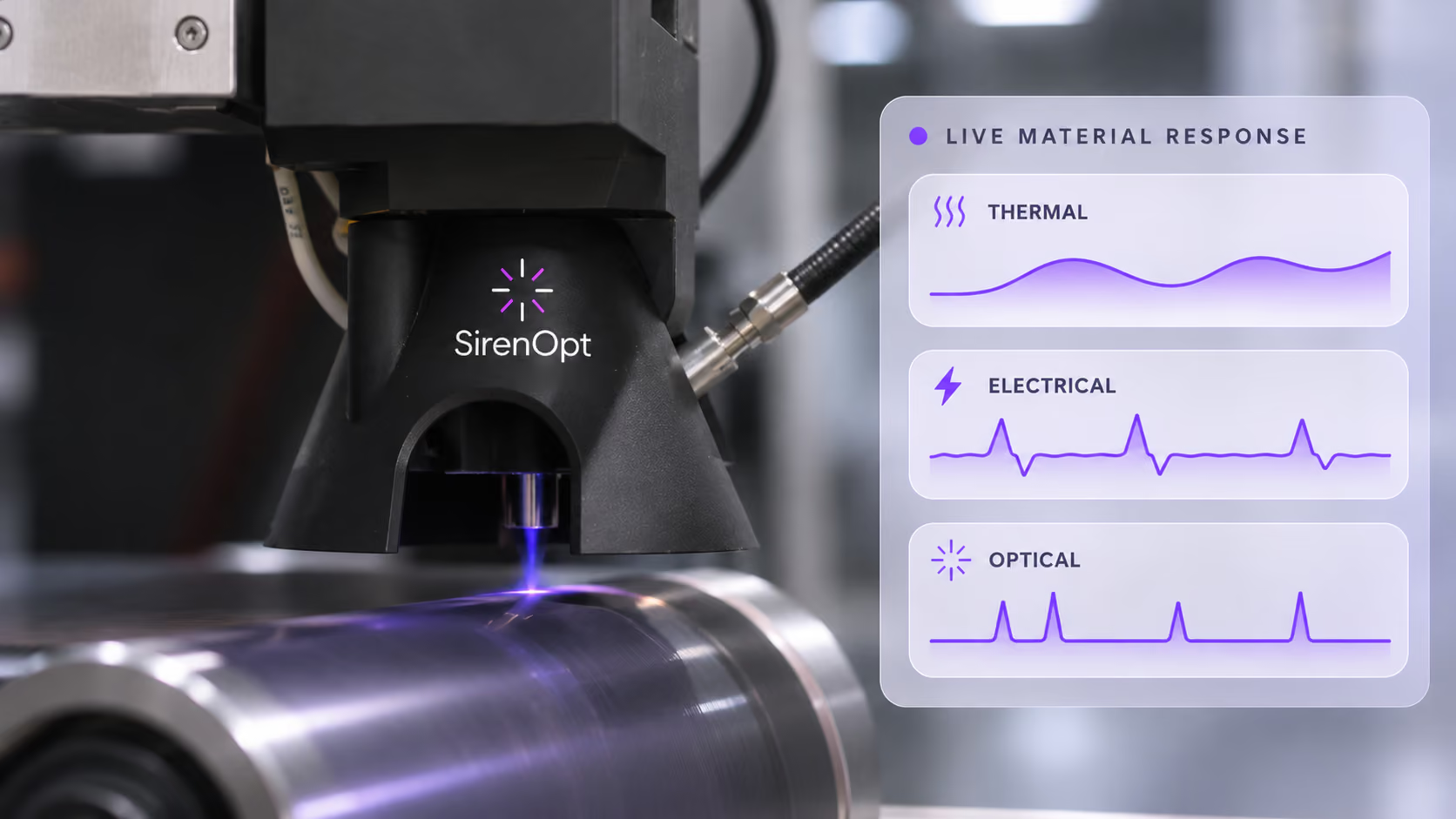
04 · Quality labs and failure analysis
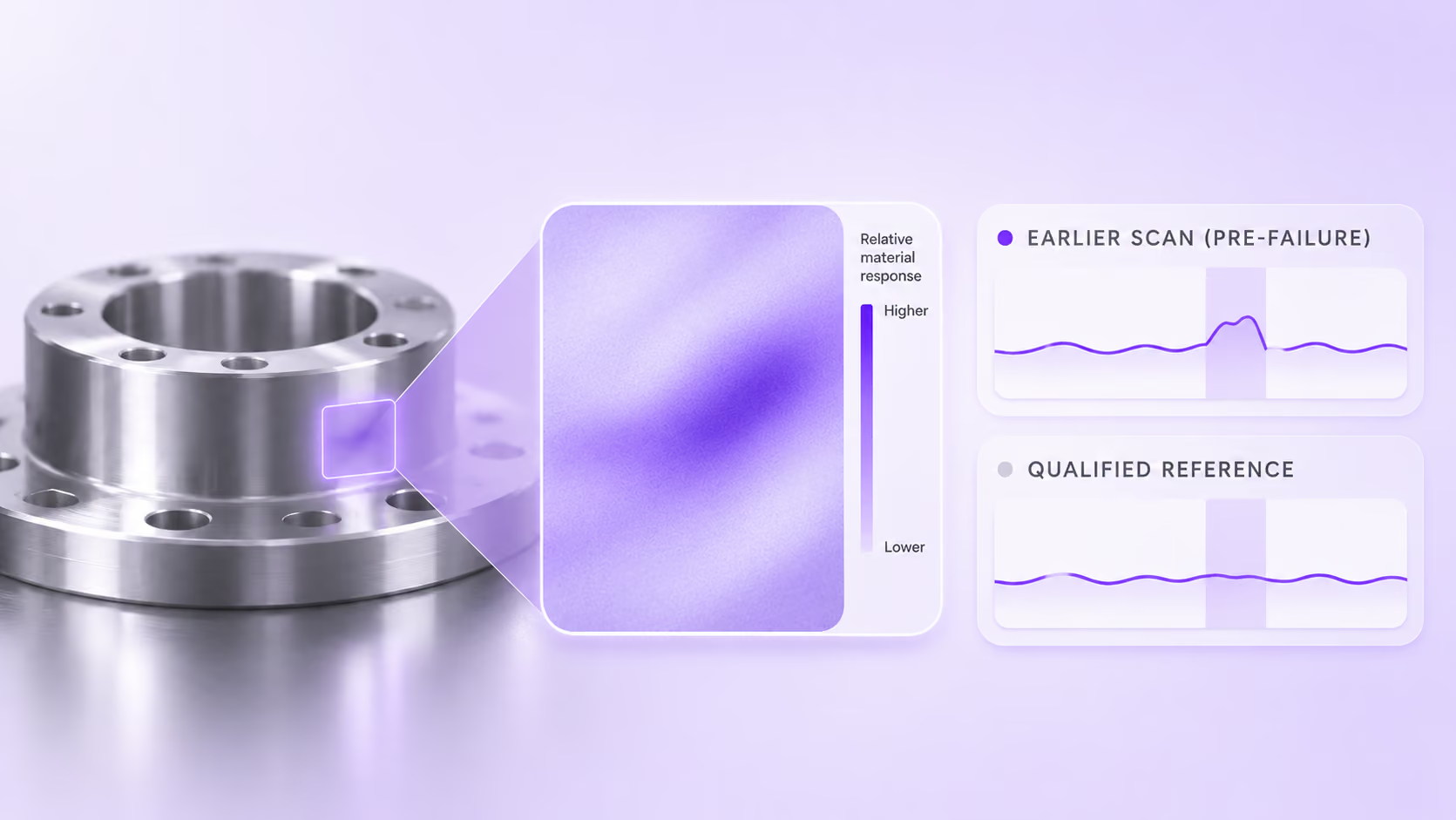
05 · Repair and overhaul (field)

Battery cell yield is largely decided before cell formation begins. A closer look at why, and what a better measurement strategy looks like.
Read the full story